


7 Mistakes You're Making with Consent (and How to Fix Them)
- Lola Bastinado

- Feb 6
- 5 min read
Let's be real for a second, most of us grew up with a pretty simplistic understanding of consent. "No means no," they told us, and while that's absolutely true, it barely scratches the surface of what healthy, sexy, fulfilling consent actually looks like. If you've ever felt awkward asking for permission, assumed your partner was fine because they didn't say anything, or thought that being in a relationship meant the consent conversation was over... well, you're not alone. But we can do better.
Here's the thing: consent isn't just the foundation of ethical intimacy, it's the foundation of great intimacy. When everyone involved is genuinely, enthusiastically on board? That's when the magic happens. So let's talk about the mistakes you might be making and, more importantly, how to fix them.
First, Let's Talk About FRIES
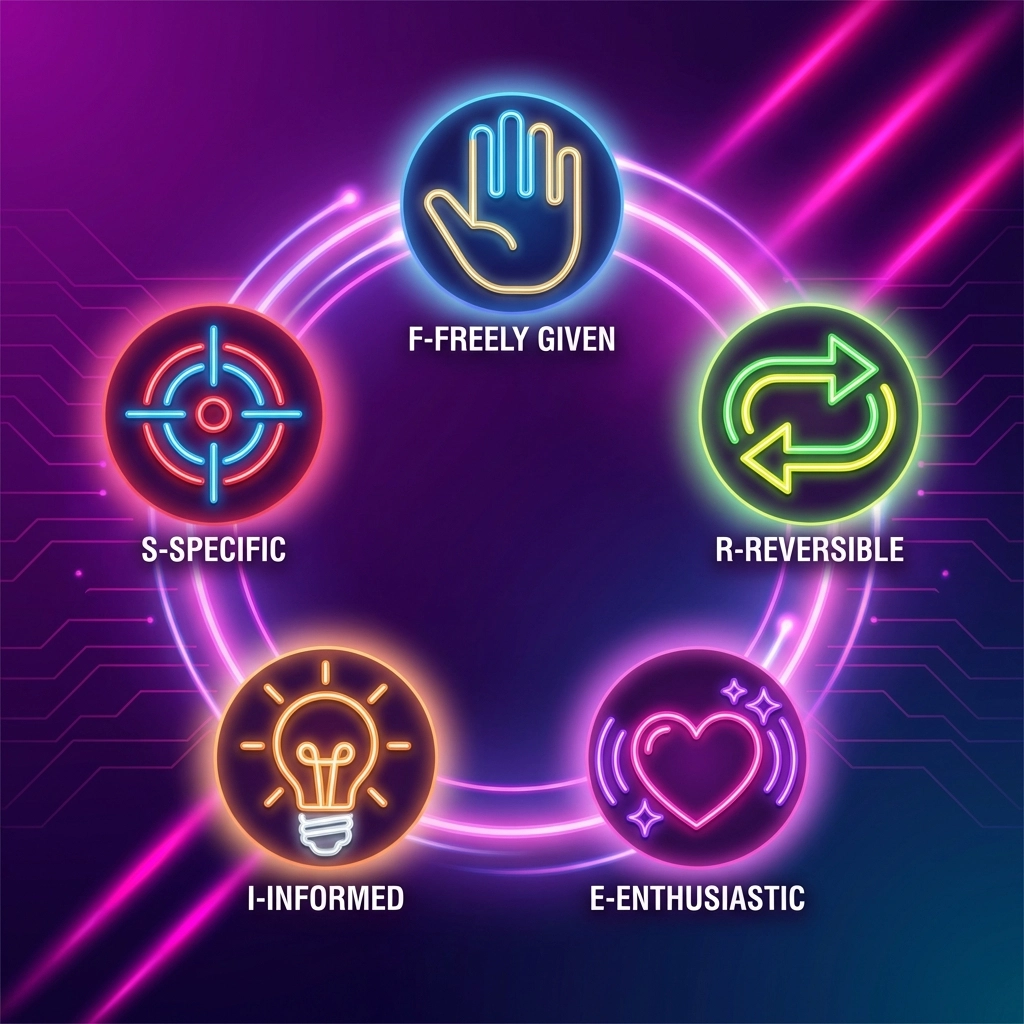
Before we dive into the mistakes, I want to introduce you to a framework that changed the way I think about consent. It's called FRIES, and it breaks down what true consent actually looks like:
Freely given – No pressure, manipulation, or coercion. It's a choice made without strings attached.
Reversible – Anyone can change their mind at any time. Yes, even in the middle of things.
Informed – Everyone knows what they're agreeing to. No hidden surprises or withheld information.
Enthusiastic – We're looking for a genuine "yes!" not a reluctant "I guess..."
Specific – Saying yes to one thing doesn't mean saying yes to everything.
Keep FRIES in mind as we go through these mistakes. It's going to come up a lot.
Mistake #1: Assuming Previous Consent Equals Current Consent
This one trips up a lot of people, especially in long-term relationships. You did something together last week, last month, or last year, so it must be fine now, right?
Wrong.
Previous consent never overrides what your partner wants in this moment. You cannot "pre-consent" to future experiences, and just because something was enjoyable before doesn't mean it's wanted today. Moods change, bodies change, circumstances change.
The fix: Check in every single time. It doesn't have to be clinical or awkward, a simple "Want me to...?" or "Is this still good?" keeps everyone on the same page. Think of it as tuning into your partner, not interrogating them.
Mistake #2: Treating Silence or Ambiguity as a Green Light
Here's where we need to retire "no means no" as our only guideline. Consent isn't the absence of a "no", it's the presence of a clear, active "yes."
Ambiguous statements, hesitation, or silence should never be interpreted as permission. If there's any doubt, any pause, any uncertainty in the air... that's your cue to stop and have a real conversation.
The fix: When in doubt, ask. Directly. "Do you want this?" or "How are you feeling about this?" A genuine "yes" feels good for everyone involved. A pressured one? That's not consent, that's coercion wearing a consent costume.

Mistake #3: Thinking Relationships Come with Automatic Consent
This might be the most pervasive myth out there: the idea that being someone's partner, whether you've been together three months or thirty years, means they've signed some kind of permanent permission slip.
They haven't.
Consent is not automatic in committed relationships. It's not even automatic in marriage. Every person retains the right to say no, change their mind, or simply not be in the mood. A relationship is not a binding contract for intimacy on demand.
The fix: Treat your partner's autonomy as sacred, every single day. The longevity of your relationship doesn't grant you access to their body. Continue asking, checking in, and respecting boundaries, just like you would with anyone else.
Mistake #4: Not Communicating Clearly (Or Enthusiastically)
Vague hints, hoping your partner picks up on signals, assuming they "just know", these are recipes for miscommunication at best and violation at worst.
Consent should be clear and enthusiastic, with both parties actively agreeing to participate. "I guess" isn't enthusiasm. A half-hearted shrug isn't enthusiasm. You want a "yes" that sounds like it means yes.
The fix: Use your words. Ask directly: "May I kiss you?" "Do you want to try this?" "What would feel good right now?" And pay attention to how they respond, not just what they say, but how they say it. Enthusiasm is unmistakable when it's real.
Mistake #5: Ignoring Non-Verbal Cues
Not everyone is comfortable vocalizing discomfort in the moment. Some people freeze. Some go quiet. Some pull away physically. If you're only listening for a verbal "no," you might miss critical signals that your partner isn't okay.
Pay attention to body language, facial expressions, and overall demeanor. Tension, lack of eye contact, stiffness, or pulling away are all signs that something might be off.
The fix: Tune in to your partner beyond their words. If you notice hesitation or discomfort, even if they haven't said anything, stop and check in. "Hey, you seem a little tense. Everything okay?" This isn't killing the mood; it's showing you care about more than just getting what you want.
Mistake #6: Withholding Critical Information
Remember the "Informed" part of FRIES? Consent requires that everyone knows what they're agreeing to. If you lie to your partner or withhold information that would affect their decision, you've removed their ability to truly consent.
This includes things like: your relationship status, sexual activity with other partners, STI status, birth control use, or anything else that might be a deal-breaker or health concern.
The fix: Be honest, even when it's uncomfortable. Your partner deserves to make informed decisions about their own body and emotional well-being. If you're worried the truth might change their answer, that's exactly why they need to hear it.
Mistake #7: Not Respecting Withdrawal of Consent (Or Applying Guilt)
This one is crucial: consent can be withdrawn at any time. In the middle of a make-out session, during sex, after clothes come off, whenever. And when your partner withdraws consent, they did so because it was necessary, not to punish or control you.
Here's a red flag to watch for in yourself: if your partner says "no" or "stop" and your first instinct is to argue, pout, or prepare for a fight, you're heading into coercive territory. Guilt-tripping someone for setting a boundary isn't respecting consent, it's manipulating them into compliance.
The fix: Accept "no" gracefully. Every time. Without guilt trips, heavy sighs, or passive-aggressive comments. If your partner sets a boundary, thank them for communicating with you and move on. If a pattern concerns you, have a curious, non-accusatory conversation about it later, or seek help from a therapist or counselor.
A Note on Power Dynamics
We'd be remiss not to mention this: consent becomes even more complicated when there's an imbalance of power. This applies to professional relationships, mentorship dynamics, age gaps, or any situation where one person holds authority over another.
In these cases, genuine consent can be difficult, or impossible, to obtain. Be aware of the dynamics at play and err on the side of caution.
Consent Is Sexy. Full Stop.
Here's the truth that sometimes gets lost in these conversations: consent isn't a buzzkill. It's not a mood-killer or a checkbox to rush through. When done right, asking for and giving consent is part of the intimacy. It's communication. It's connection. It's showing your partner that their pleasure, comfort, and autonomy matter to you.
The best sex, the kind that leaves everyone feeling satisfied, respected, and connected, is built on a foundation of enthusiastic consent. When everyone is genuinely on board, fully informed, and free to change their mind at any time? That's when you've created the conditions for something truly extraordinary.
So let's move beyond "no means no" and into "yes means yes": freely given, reversible, informed, enthusiastic, and specific. Your relationships (and your sex life) will thank you.


Comments