


Does Ethical Non-Monogamy Really Matter in 2026? (Spoiler: It's Not What You Think)
- Lola Bastinado

- Feb 12
- 4 min read
Let me guess, you've seen the headlines. "Polyamory is the new normal!" "Everyone's in an open relationship now!" "Monogamy is dead!" And you're sitting there thinking, Really? Because literally everyone I know is still arguing with their partner about who left the toilet seat up.
Here's the truth bomb: Ethical non-monogamy (ENM) absolutely matters in 2026, but not for the reasons you think. It's not because we're all suddenly joining throuple communes or casually dating five people at once. It's because the conversation around how we do relationships has shifted, and that changes everything, even if you're happily monogamous.
The Numbers Don't Lie (But They're Not What Instagram Told You)
So how many people are actually practicing ENM right now? Ready for this? Only 4-5% of Americans. Yep, that's it. Not exactly the relationship revolution TikTok promised you.
BUT, and this is a big but, 26% of people say they're interested in open relationships. And according to a 2026 survey, 61% of Americans are at least open to the idea of non-monogamy. That's more than half the country saying, "Yeah, maybe I'd consider it."
Here's where it gets spicy: Among millennials, 43% say their ideal relationship is non-monogamous. Their ideal! Meanwhile, only a fraction are actually doing it. So what's the disconnect?
Why Everyone's Talking About It But Not Doing It
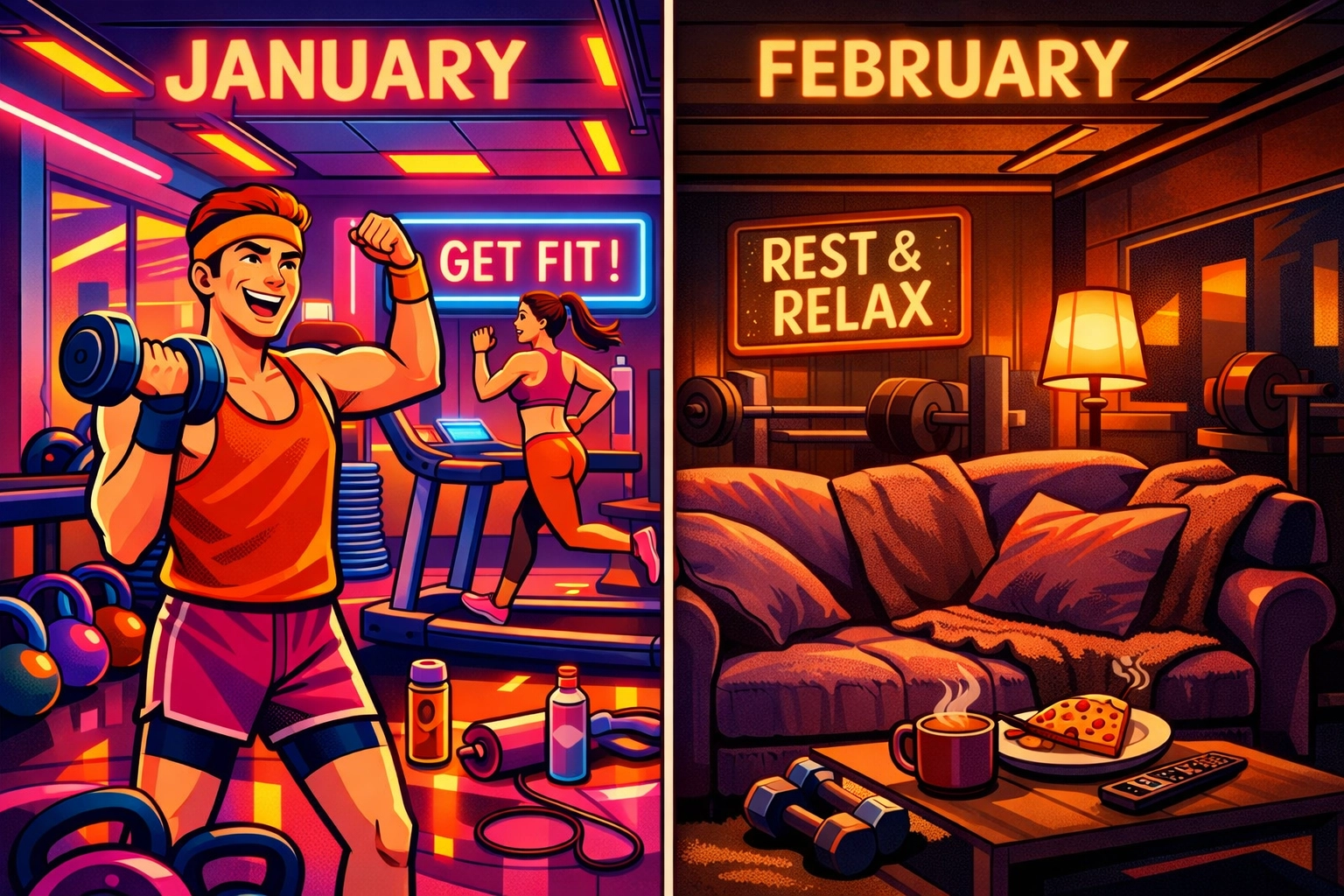
Think of ENM like that expensive gym membership. Everyone's excited to sign up in January, but by February, most people are back on the couch with a bag of chips. It's not that the idea isn't appealing: it's that the reality is more complex than the fantasy.
The gap between curiosity and commitment tells us something important: For most people, ENM lives in the "sounds cool in theory" category rather than the "actually going to restructure my entire life" category. And honestly? That's totally fine.
What does matter is that we're having the conversation. Google searches for relationship types have ENM at #1 for growth. Media representation of non-monogamy has increased by 300% since 2010. Dating apps have settings specifically for it. Whether you're practicing it or not, you're probably thinking about it: or at least aware it exists as an option.
The Real Reason ENM Matters (Even If You're Monogamous)
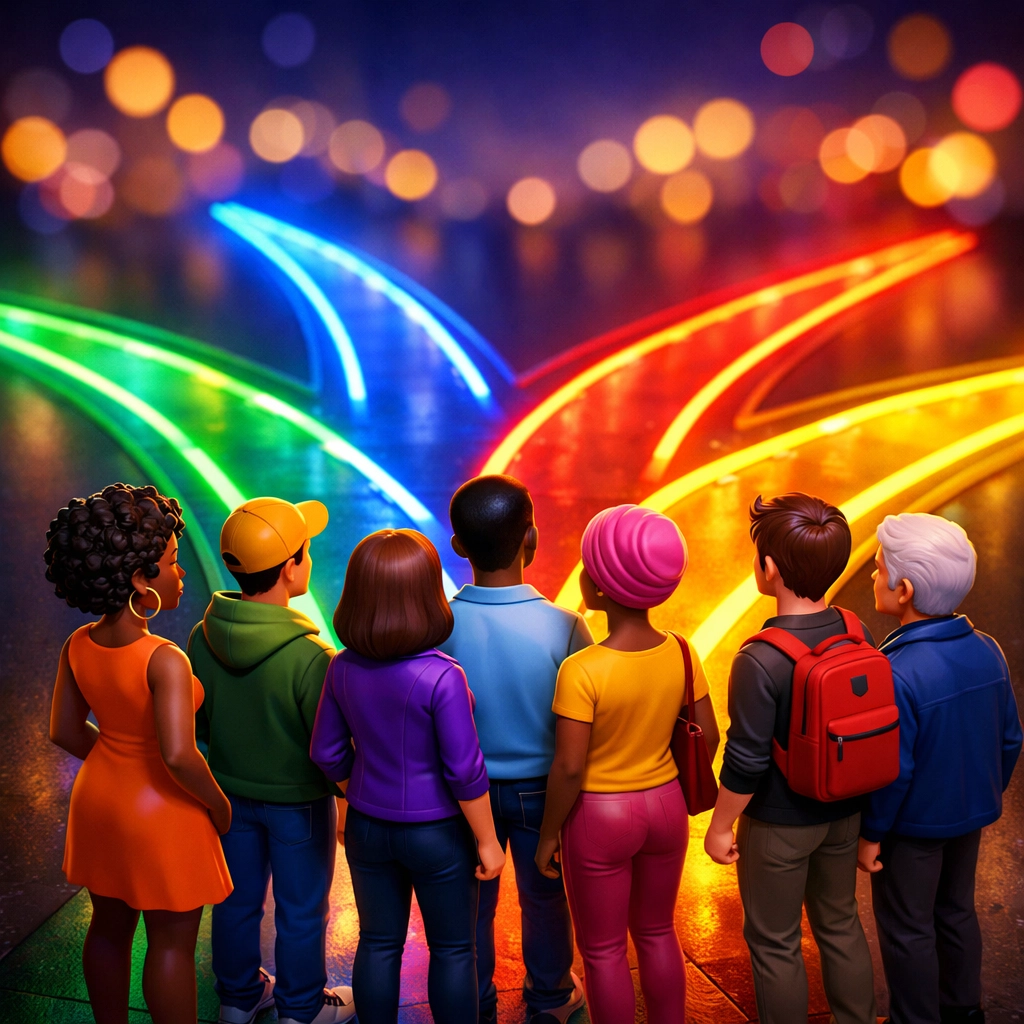
Here's the twist: The significance of ethical non-monogamy in 2026 isn't about polyamorous relationship structures taking over the world. It's about choice.
When I started writing about relationship diversity, I noticed something interesting. People weren't always asking because they wanted to open their relationships. They were asking because they wanted to know they could. They wanted to understand that monogamy isn't the only valid way to love: even if it's still the way they personally choose.
The normalization of ENM has forced all of us to be more intentional about our relationship structures. You can't just default to monogamy because "that's what people do" anymore. Now you actually have to think about what works for you, communicate about it, and build relationships consciously.
And that's powerful: whether you end up with one partner or five.
What the People Actually Practicing ENM Have to Say
For those who are living the ENM life, the satisfaction rates are pretty damn high. 52% of polyamorous folks report feeling more authentic and true to themselves. That's significant.
But it's not all unicorns and rainbows. 68% of people in open relationships say they can't be "out" to their families. 40% report facing legal and societal challenges. So while the conversation has opened up, the stigma definitely hasn't disappeared.
The success factor? 95% say honesty is the most important element. (Which, let's be real, should probably be the most important element in any relationship, ENM or not.)
The Generation Gap Is Real
If you want to know where this is all heading, look at Gen Z. 17% of people under 30 have already engaged in consensual non-monogamy. Compare that to the 4-5% overall, and you can see the trajectory.

Younger generations aren't just more open to ENM: they're normalizing the entire conversation around relationship diversity. They're asking questions like "Why would we assume one relationship structure works for everyone?" and "Shouldn't we customize our relationships the same way we customize everything else in our lives?"
And honestly? They've got a point.
What This Means for Your Dating Life (Right Now)
Whether you're swiping on apps or already coupled up, the ENM conversation impacts you. Here's how:
On dating apps, you can't assume everyone wants the same thing anymore. That profile that says "ethically non-monogamous" isn't a red flag: it's someone being upfront about what they want. (Which is actually refreshing as hell compared to the person who waits until date three to mention they're "not really looking for anything serious.")
In relationships, you need to actually talk about what you want. The old assumptions don't fly anymore. You can't just assume your partner wants monogamy because you've been together for six months. You need to ask. You need to discuss. You need to navigate consent in all its forms.
In your friend group, you're probably going to encounter more relationship diversity. Maybe your best friend's in a throuple. Maybe your coworker has a primary partner and a girlfriend. Learning to be supportive: even if it's not your thing: matters.
The Bottom Line
Does ethical non-monogamy matter in 2026? Hell yes. But not because we're all suddenly polyamorous. It matters because it's expanded the conversation about what relationships can look like. It's given us permission to question the default, to customize our love lives, and to be more intentional about how we connect with people.
For some people, that'll mean opening their relationships. For others, it'll mean consciously choosing monogamy with more awareness and intention. And for many, it'll just mean having better conversations about boundaries, desires, and what healthy relationships look like.
The real revolution isn't in the relationship structure you choose. It's in the fact that you're actually choosing it: eyes wide open, communication flowing, and authenticity leading the way.
And that? That matters for everyone.


Comments